History
A Neighborhood Shaped
by Heritage and Resilience
Czech Village grew from the lives, work, traditions, and community ties of Czech and Slovak immigrants who made Cedar Rapids home. Along and around 16th Avenue SW, businesses, bakeries, gathering places, and cultural traditions created a neighborhood identity that remains visible today.
Grow Where You’re Planted
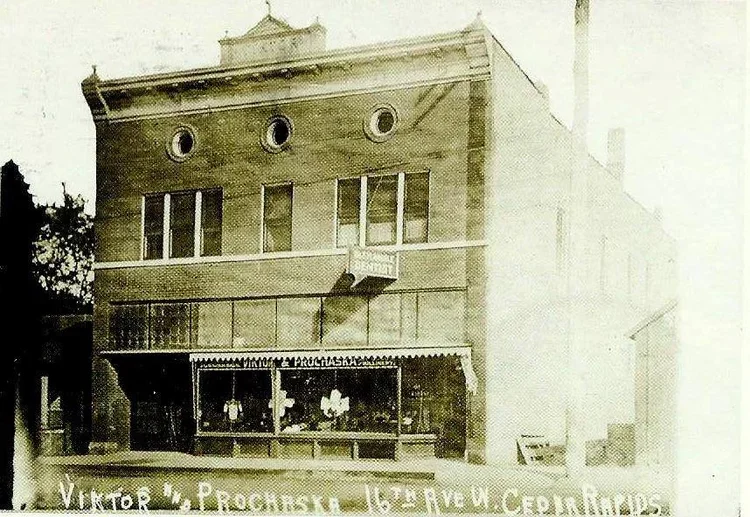
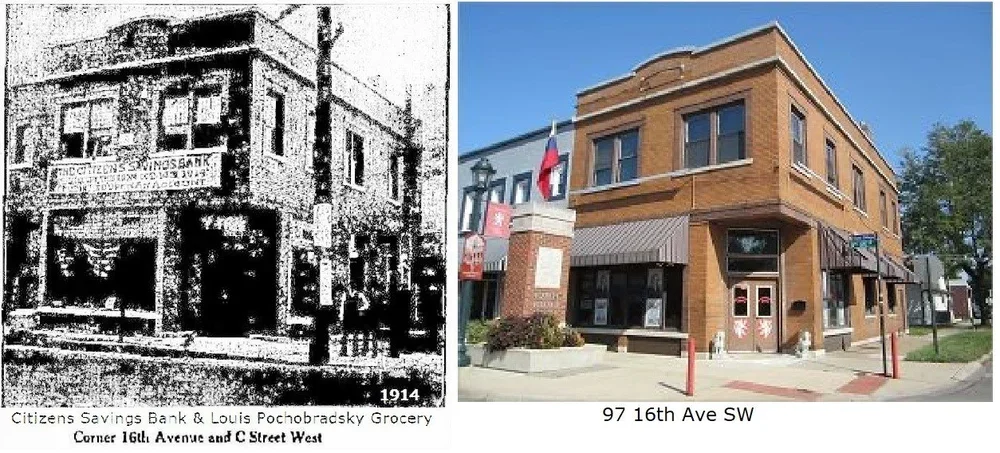
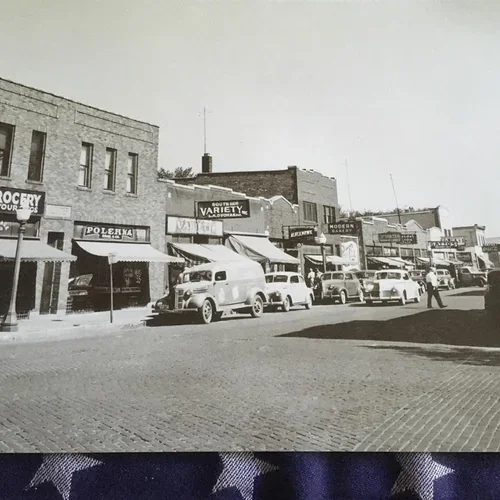
Cedar Rapids has been home to generations of Bohemian, Moravian, and Slovak immigrants and their descendants since the mid-1800s. Many settled in the city, while others established farms and communities throughout the surrounding region. Czech Village preserves a restored section of the neighborhood that once served as a thriving shopping district for these immigrant families.
These Central European communities made lasting contributions to Cedar Rapids. Czech immigrants began arriving as early as 1852, many finding work in local packing plants. Before long, a vibrant neighborhood known as “Little Bohemia” developed on the city’s southwest side in the area now known as Czech Village.
Among the community’s notable early residents was Josef Sosel, recognized as the first Czech lawyer in the United States. After being accused of revolutionary activities, he was reportedly smuggled out of his native country in a barrel. He later settled in Cedar Rapids and became a prominent figure within the local Czech community.
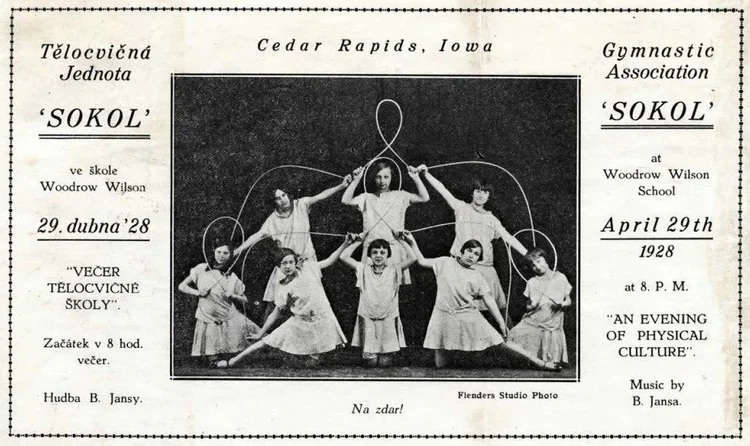
Czech residents also established organizations that helped preserve their culture and strengthen the community. The Reading Society was founded in 1869 and later helped inspire a local theater movement and the Light Guard Band. A school dedicated to teaching children the Czech language opened in 1870 and continues its mission today. In 1906, the Czech-language newspaper Cedar Rapids Listy began publication, further connecting and informing the growing community.
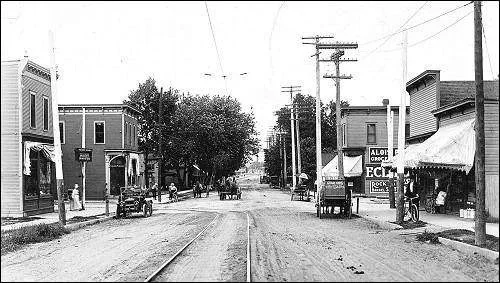
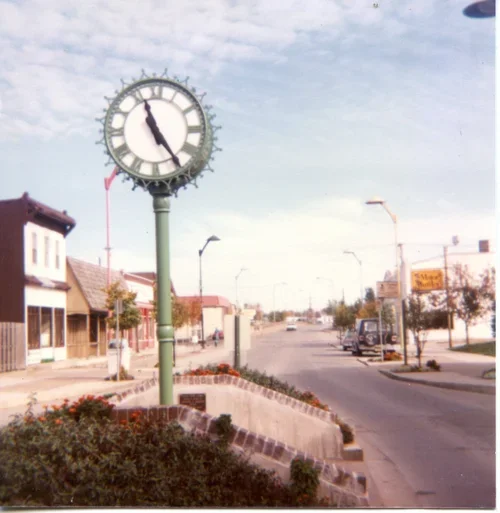
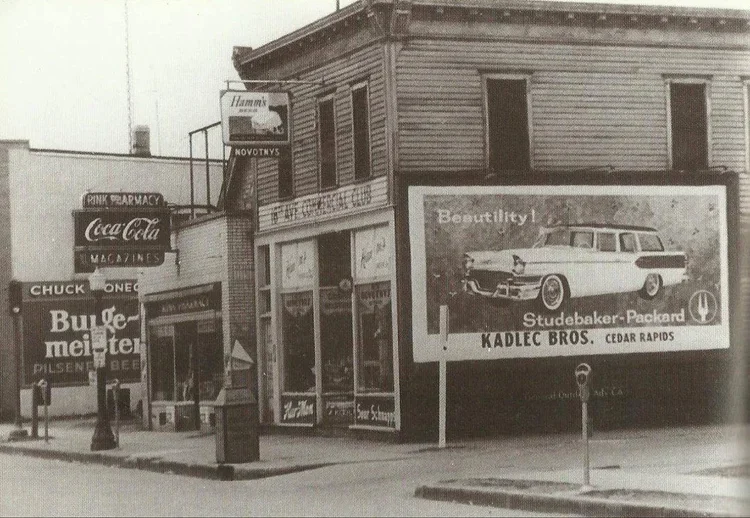
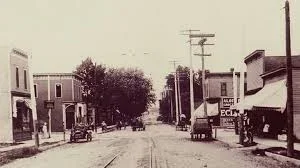
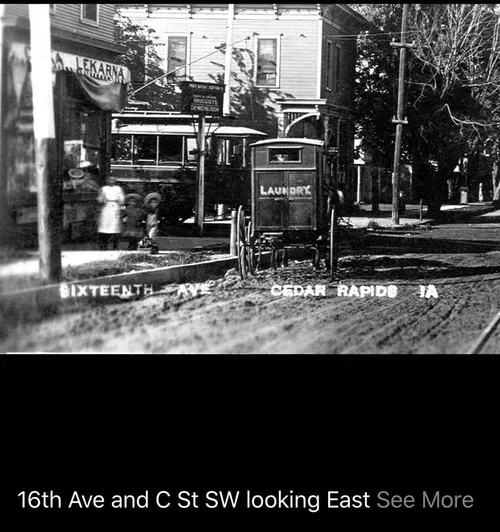
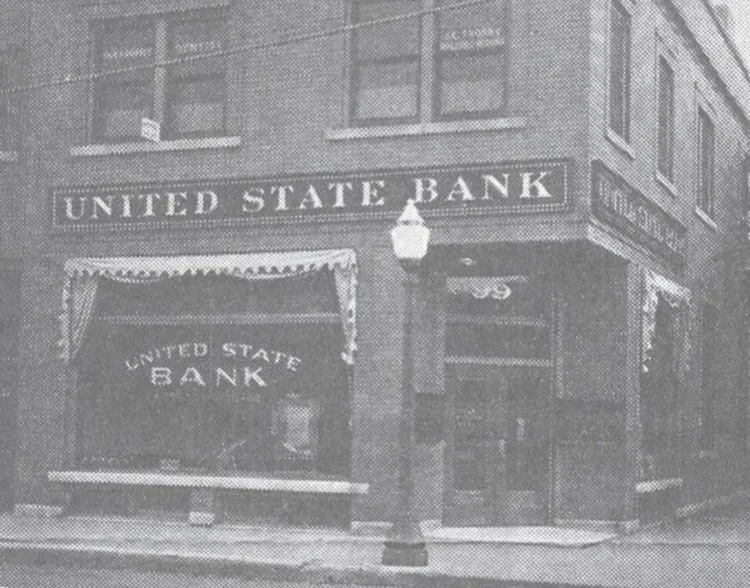
16th Ave SW -- Looking N.E. across C St.
The Czech Cottage is the first building on the left and was originally a pharmacy from 1901 until 1973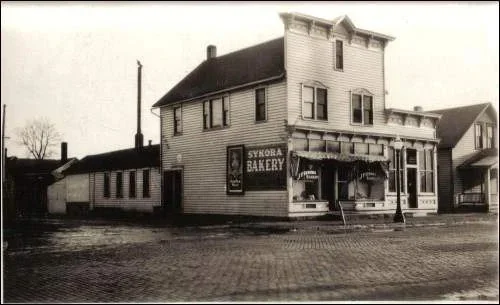
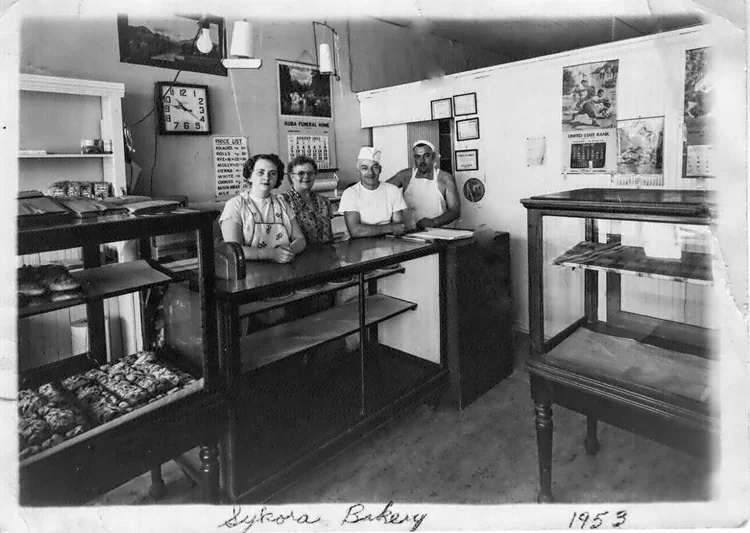
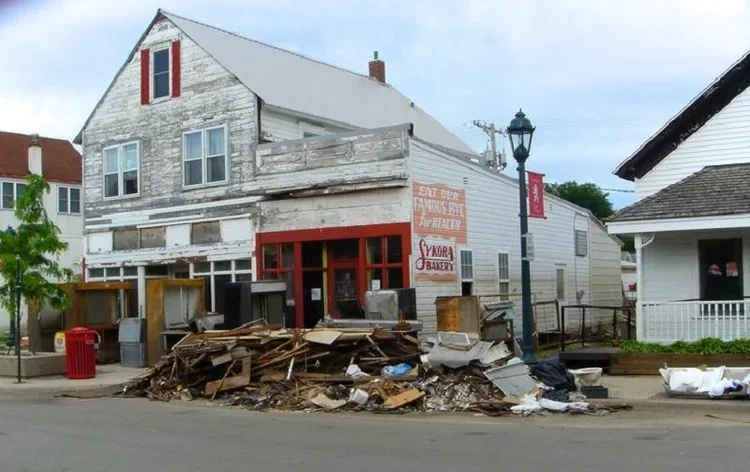
Sykora Bakery -- Originally C.K. Kosek Bakery
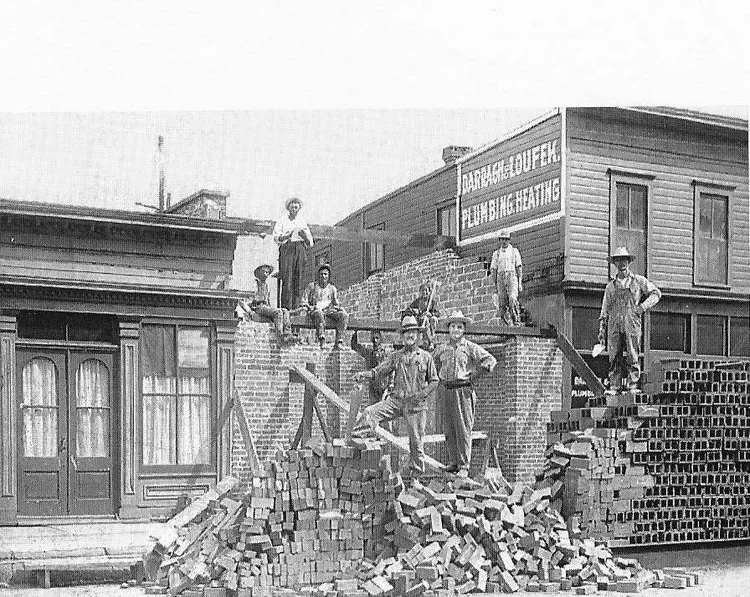
circa 1912
A LIVING HERITAGE
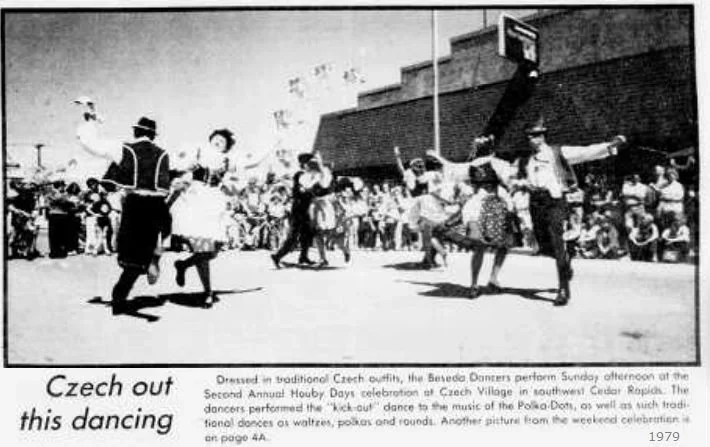
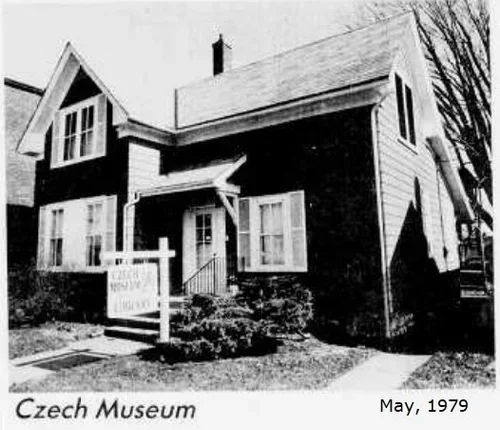
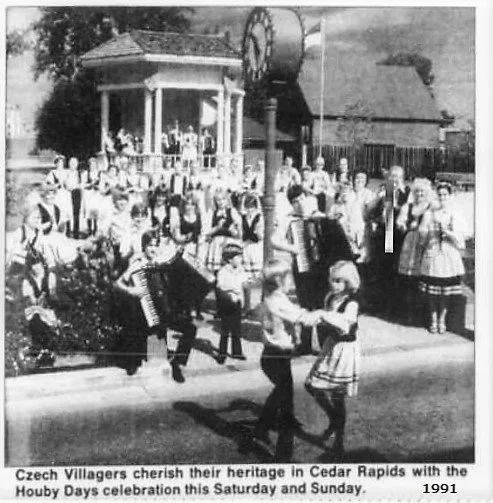
The Village has never been only a collection of buildings. It is a place where food, music, language, celebrations, family stories, and entrepreneurship have passed from one generation to the next. That heritage is preserved and shared in many ways, most visibly through the National Czech & Slovak Museum & Library and the traditions carried forward throughout the neighborhood.

RESILIENCE AND RENEWAL
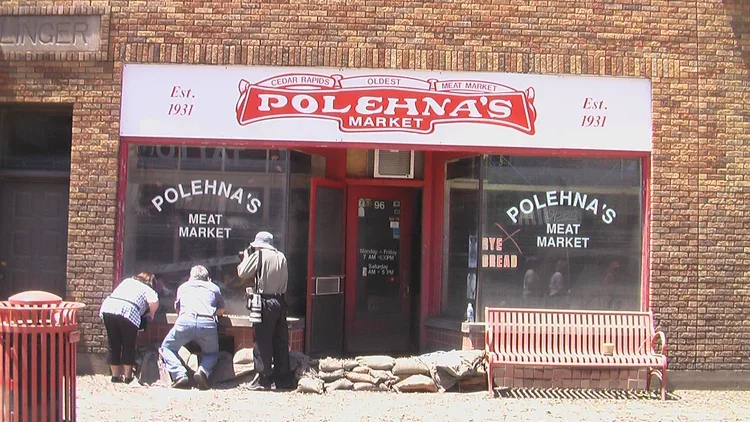
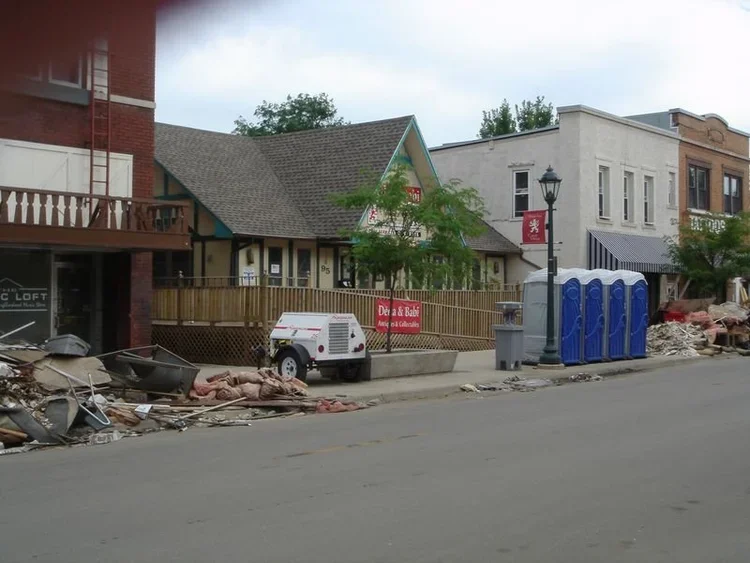
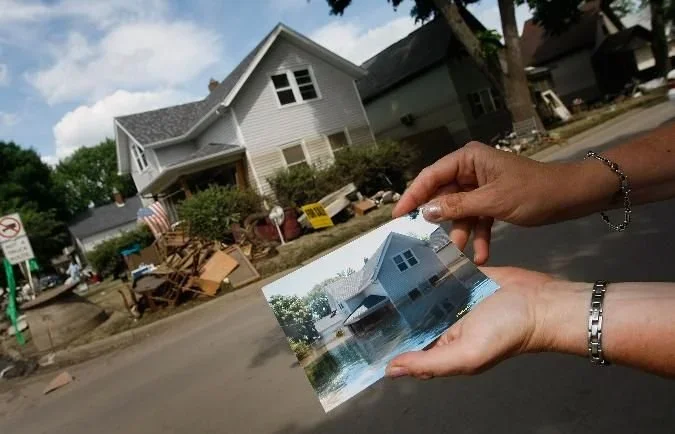
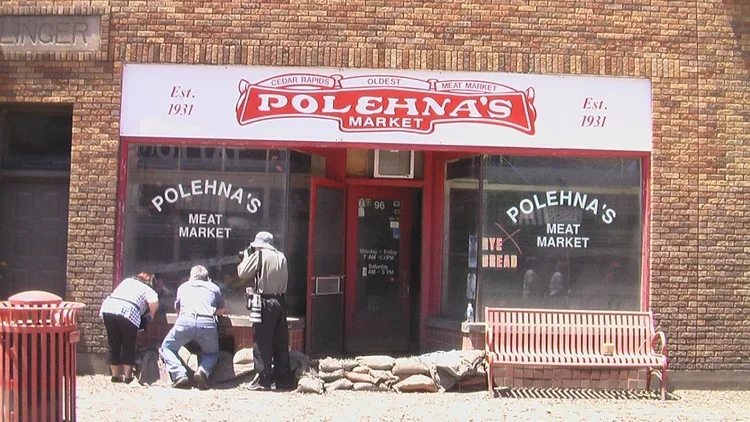
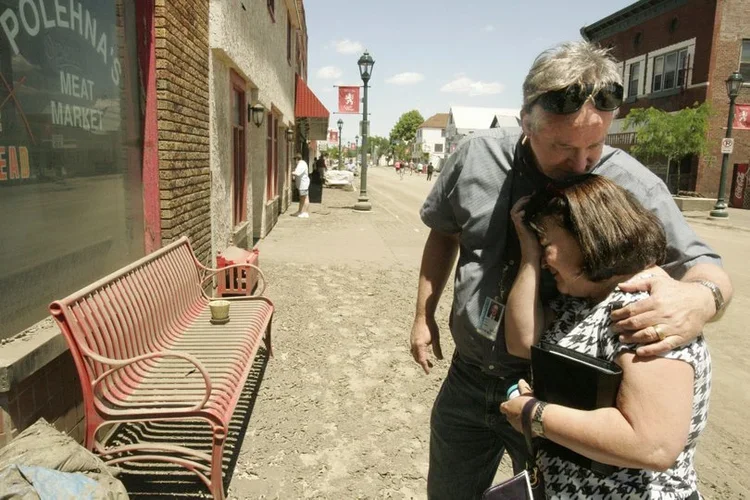
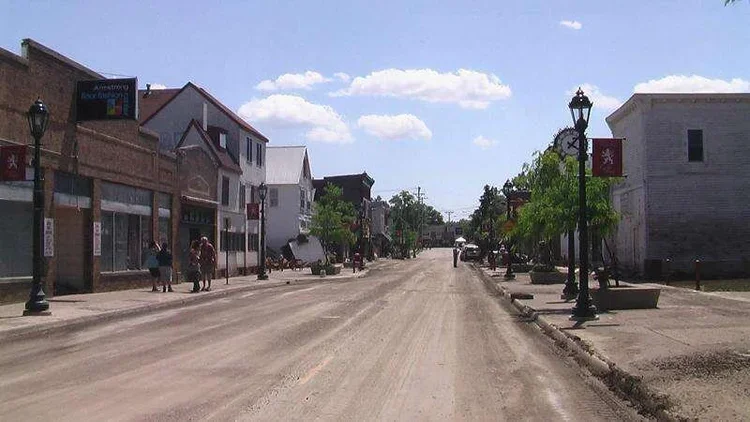
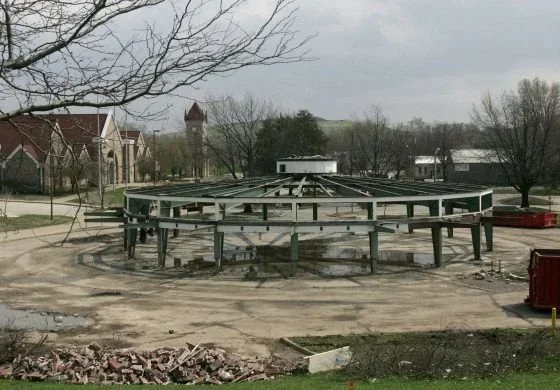
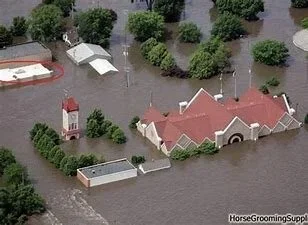
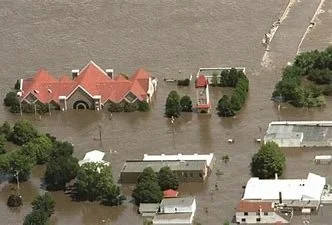
Czech Village has also been shaped by change, including the devastating flood of 2008 and the determined recovery that followed. Businesses, residents, organizations, volunteers, and supporters came together to rebuild and reimagine what the neighborhood could become.
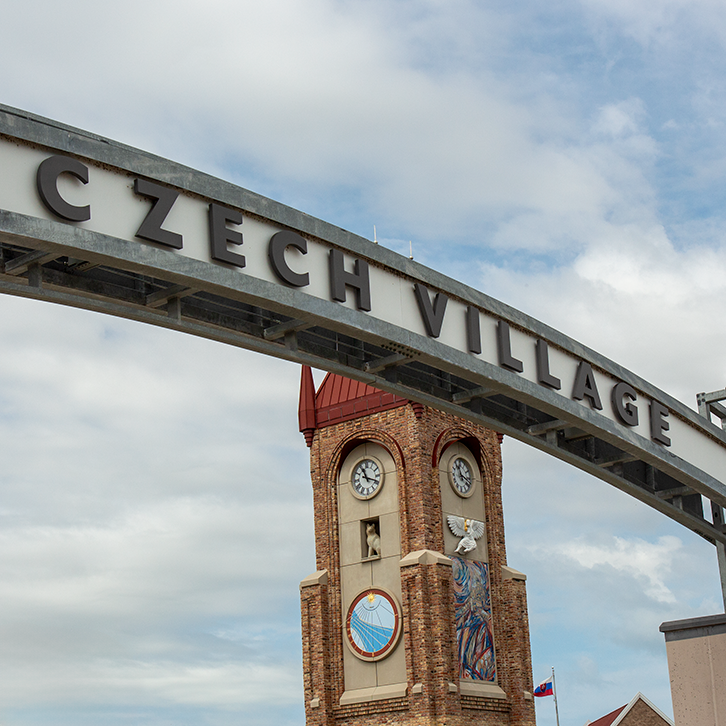
THE VILLAGE TODAY
Today, Czech Village remains proudly connected to its Czech and Slovak roots while welcoming new businesses, artists, makers, flavors, and visitors. Its history is not simply remembered—it continues in every gathering, locally owned storefront, and new reason to visit.